Jumbo vs Classic makhana: which size should you buy?
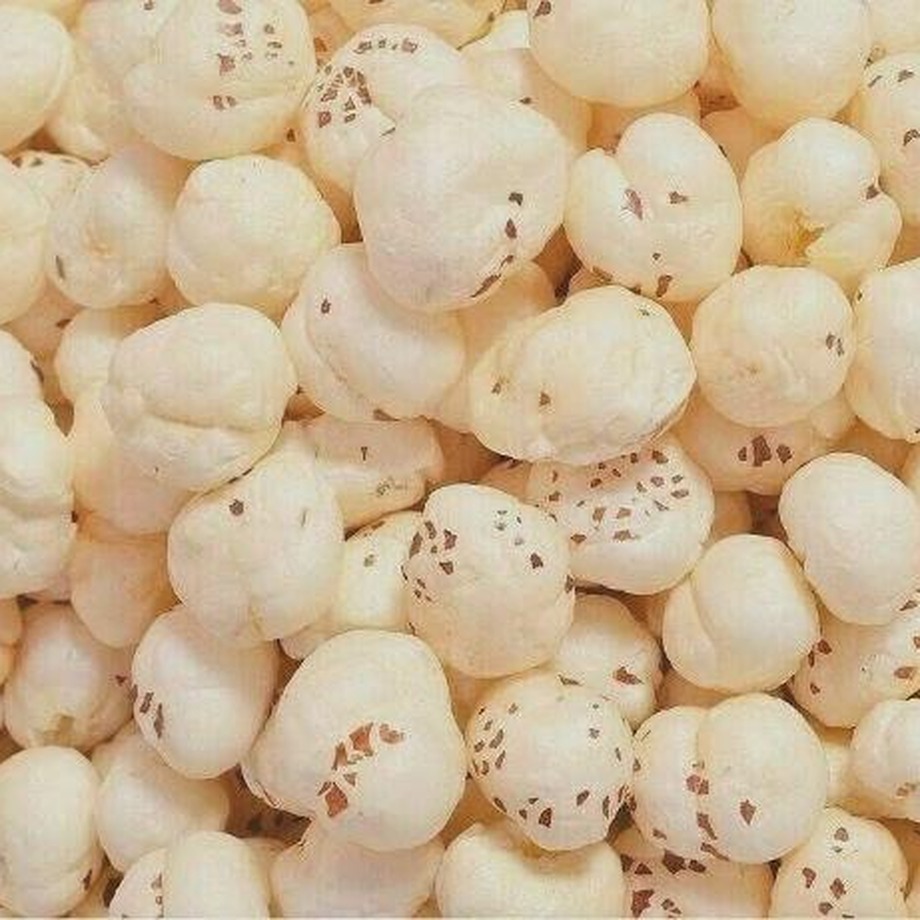
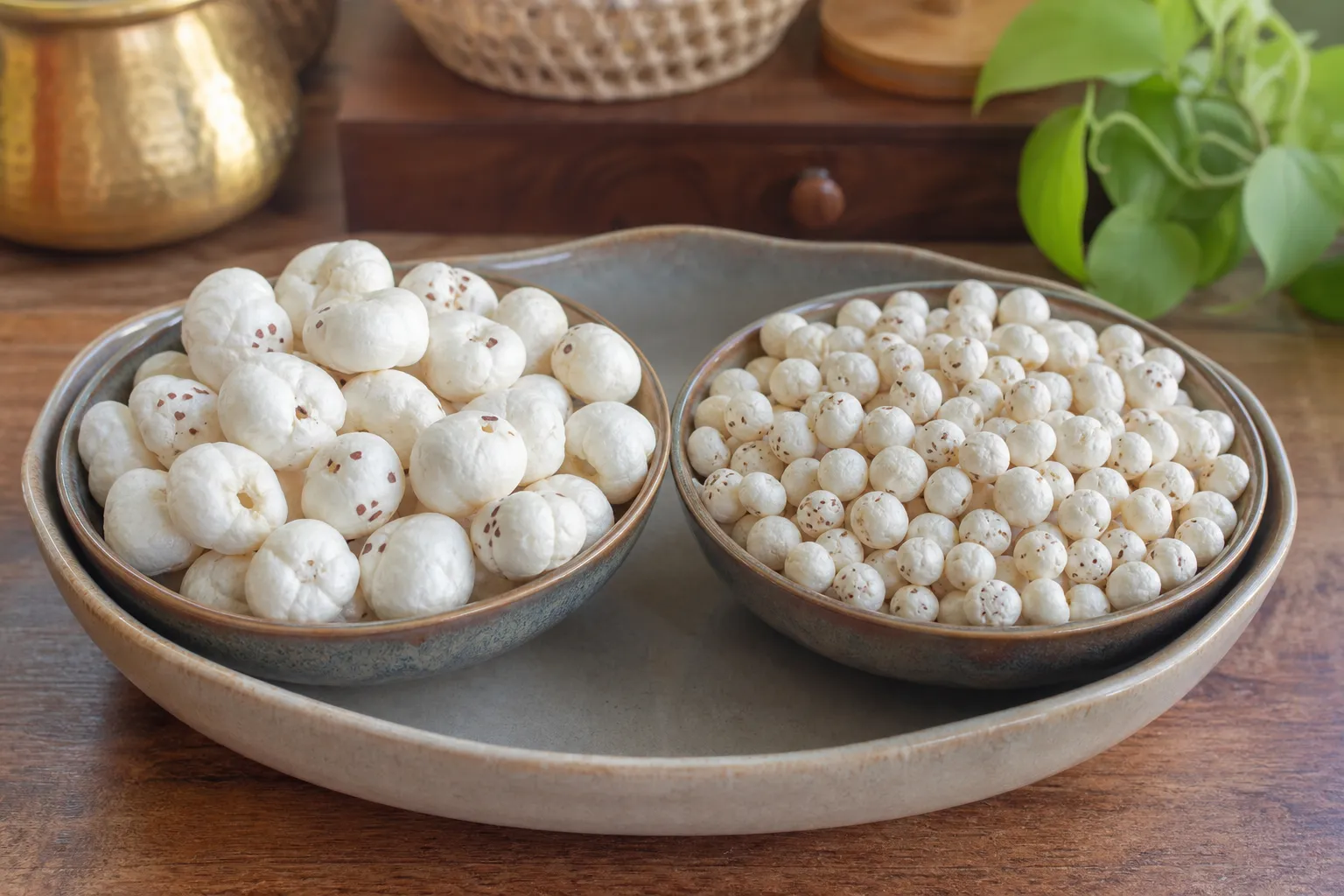
If you are choosing between Jumbo and Classic makhana, the main difference is size. Kashvee Jumbo is hand-graded at 19 mm and above, while Kashvee Classic is hand-graded at 15.85 mm and above.
Choose Jumbo when the makhana is meant to be seen and enjoyed whole: light snacking, kheer, festive bowls and gifting. Choose Classic when you want dependable everyday makhana for sabzi, curry, trail mix, namkeen, kids’ tiffin ideas and regular home cooking.
What does “size grade” mean in makhana?
Makhana, also called phool makhana, is the popped white kernel of the seed of Euryale ferox, an aquatic crop grown in ponds and wetland-like water bodies. ICAR describes makhana as an important aquatic crop, also known as gorgon nut or fox nut, and notes its commercial cultivation in parts of Bihar and eastern India. Processing involves several steps before the white popped kernel reaches your kitchen.
In simple buying language, a size grade tells you the minimum size of the popped pieces selected for a pack. After popping, the kernels are not all identical. Some are large and round, some are medium, some are small, and some may be broken. Grading is the sorting step that separates better-looking, more uniform pieces from smaller or damaged ones.
For Kashvee Naturals:
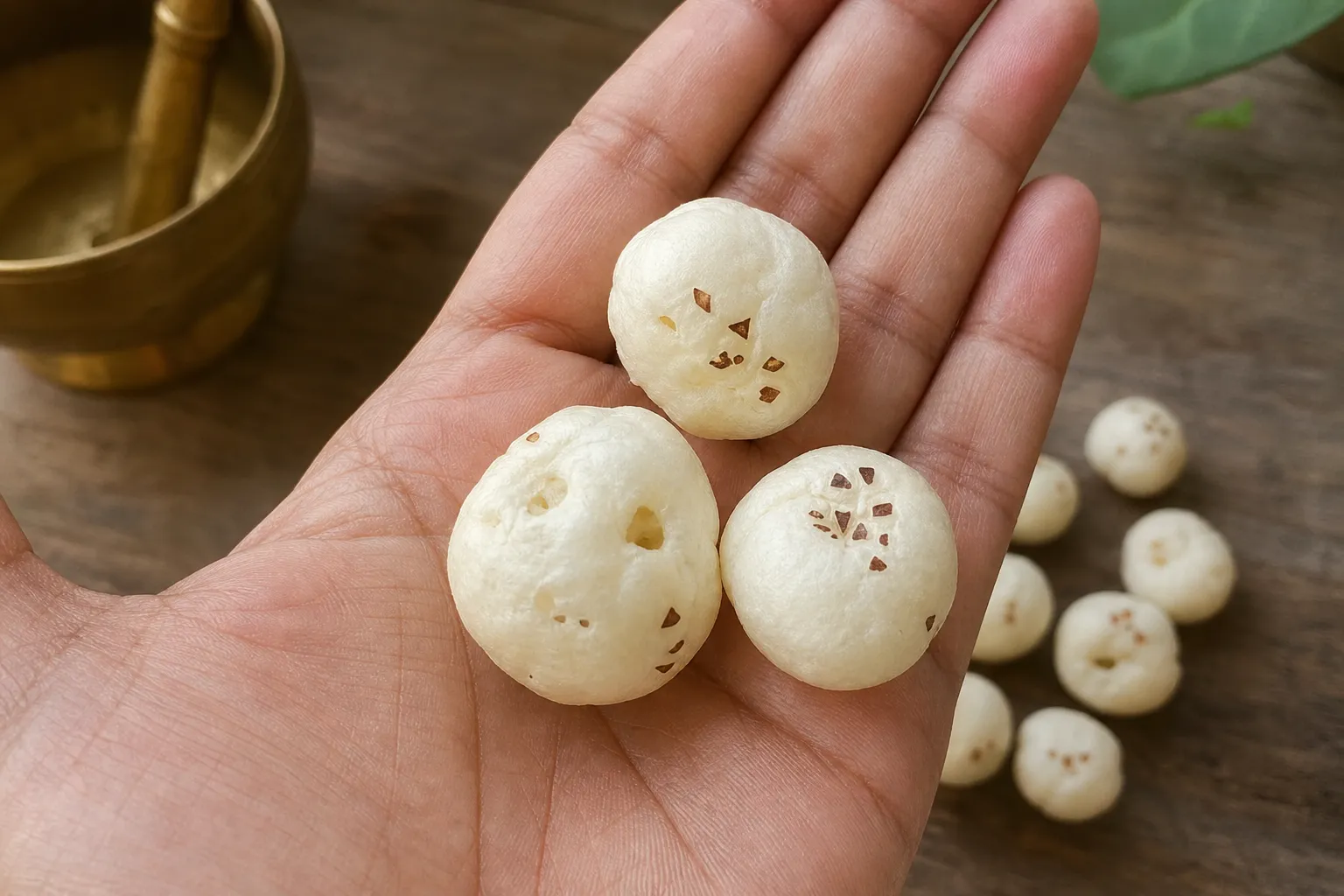
- Jumbo makhana: 19 mm and above
- Classic makhana: 15.85 mm and above
- Both are hand-graded by size
- Broken and small pieces are not packed in these pouches
That last point matters. Size grading is not only about “bigger looks better”. It is also about consistency in how the makhana roasts at home, how it looks in a bowl, and how pleasant it feels to eat.
Jumbo makhana: what it is best for
Jumbo makhana is the pack to choose when appearance, bite and presentation matter.
Because the pieces are larger, they look fuller in a serving bowl and feel more generous as a plain roasted snack. If you are making a quick evening snack with ghee, salt and pepper, the larger pops hold their shape well and are easy to toss evenly. They also work nicely when you want a mild crunch instead of a tiny, crumbly bite.
Jumbo is especially useful for:
1. Everyday snacking
For a simple snack, roast makhana at home on a low flame until crisp, then season it lightly. Jumbo pieces are easy to pick up by hand, so they suit tea-time bowls, work-from-home snacks and movie-night munching.
2. Kheer and festive sweets
In makhana kheer, size changes the eating experience. Jumbo pieces stay visible after simmering and give the bowl a richer, more festive look. Some families crush a portion and keep a portion whole; Jumbo gives you both options.
3. Gifting and hosting
With Diwali on 8 November 2026, many homes look for simple food gifts that feel traditional without being too heavy. Jumbo makhana suits that purpose because the larger pieces look cleaner and more premium in jars, trays and festive hampers.
Illustration
Classic makhana: what it is best for
Classic makhana is the practical everyday choice. It is still size-graded, still clean-looking, and still made from plain phool makhana, but it is more suited to recipes where perfect large size is not necessary.
Choose Classic when the makhana will be mixed, cooked, crushed or combined with other ingredients.
Classic works well for:
1. Regular home cooking
If you add makhana to tomato-based curry, matar makhana, raita, sabzi or light gravies, Classic is often enough. Once the makhana is roasted and folded into a dish, the exact size matters less than freshness, cleanliness and even texture.
2. Namkeen and masala mixes
For homemade namkeen, chivda-style mixes or dry snack jars, Classic blends nicely with peanuts, roasted chana, curry leaves, spices and seeds. Its slightly smaller size can be easier to mix and portion.
3. Kids’ snacks and lunchbox ideas
Classic makhana is a good fit for small snack portions. You can roast it lightly, season it mildly, and pack it once fully cool. If you are making snack mixes for children, smaller pieces can be easier to combine with other ingredients.
4. Recipe use during vrat
Makhana is widely used in fasting recipes in many Indian homes. If you are cooking rather than presenting whole pieces, Classic is often the sensible choice. For more vrat-friendly ideas, see our earlier guide: Makhana for vrat: staple + 4 easy recipes.
Is Jumbo more nutritious than Classic?
No meaningful nutrition difference should be assumed just because one makhana piece is bigger. Jumbo and Classic are size grades of the same plain ingredient: phool makhana. The difference is sorting by size, not a different recipe.
Food composition references list makhana as a low-fat food with carbohydrate and some protein and mineral content. But in a real kitchen, the final nutrition depends heavily on how you prepare it. Plain makhana roasted at home with very little ghee or oil is different from makhana cooked with sugar, condensed milk, lots of ghee or heavy masala.
So the better question is not “Which size is healthier?” It is “Which size suits the way I will eat it?”
This article is for general information and is not a substitute for medical advice.
How to choose in 30 seconds
If you are still unsure, use this simple rule.
Buy Jumbo if:
- You want makhana mainly for snacking
- You are making kheer or festive sweets
- You are serving guests
- You are planning a food gift
- You prefer larger, fuller pieces
Buy Classic if:
- You cook with makhana often
- You make curries, sabzi or raita
- You prepare homemade namkeen or mixes
- You want an everyday pantry pack
- You do not need the largest pieces in every serving
Many homes keep both: Jumbo for visible, whole-piece uses and Classic for cooking.
What should not change with size
Whether you buy Jumbo or Classic, the basics of good makhana should remain the same.
Look for pieces that are clean, dry, light in colour, and mostly uniform within the pack. Avoid packs with too many broken pieces, dust, dull-smelling contents or visible moisture. If you want a fuller checklist before buying, read our guide: How to spot good makhana before you buy.
Kashvee Jumbo and Classic are plain makhana: the white popped kernels only. They are a single-ingredient food with nothing added and no added preservatives. They are vegan and gluten free, with a 12-month shelf life when stored properly.
Kashvee Naturals packs and markets its makhana from Hajipur, Vaishali, Bihar, and sources from the Mithila makhana belt of Bihar. Mithila Makhana is registered as a Geographical Indication in India, reflecting the region’s identity with this crop.
Illustration
Storage matters after opening
Makhana is crisp because it is dry and popped. Once opened, it should be protected from air and moisture. FSSAI’s general food storage guidance also recommends keeping dry foods in clean, dry storage conditions and using suitable containers.
At home, the easiest method is:
- Open the pouch only when needed
- Reseal it tightly after use
- If transferring, use a clean, dry, airtight container
- Keep it away from steam, wet spoons and strong-smelling spices
- Roast only the portion you plan to eat soon
This helps both Jumbo and Classic stay pleasant in texture.
So, which one should you buy?
For most snack-first buyers, Jumbo makhana is the better fit. It gives you larger pieces for roasting at home, kheer, serving bowls and festive gifting.
For everyday cooking, Classic makhana is the more practical choice. It gives you clean, size-graded makhana for regular recipes without needing the largest pieces every time.
If your kitchen uses makhana in both ways, keep Jumbo for snacking and guests, and Classic for daily cooking. That way the size grade matches the job.
Sources
- Swarna Vaidehi — First Ever Variety of Makhana Released in India — ICAR
- Mechanizing Makhana Popping — ICAR-CIPHET / ICAR
- Mithila Makhana GI application details — Intellectual Property India
- Indian Food Composition Tables 2017 — National Institute of Nutrition / FAO listing
- Eat Right Handbook — FSSAI
- Diwali/Deepavali 2026 in India — timeanddate.com